
How Daily Observations Transform into Haunting Fiction
Three Steps to Transform Ordinary Moments into Extraordinary Horror

The most haunting cosmic horror doesn't emerge from fantastical imaginings, but from the shadows of the ordinary. True horror doesn't emerge from comfortable places. The writers who thrive don't just schedule time to write. They deliberately seek out the unsettling questions and disturbing scenarios most people avoid.
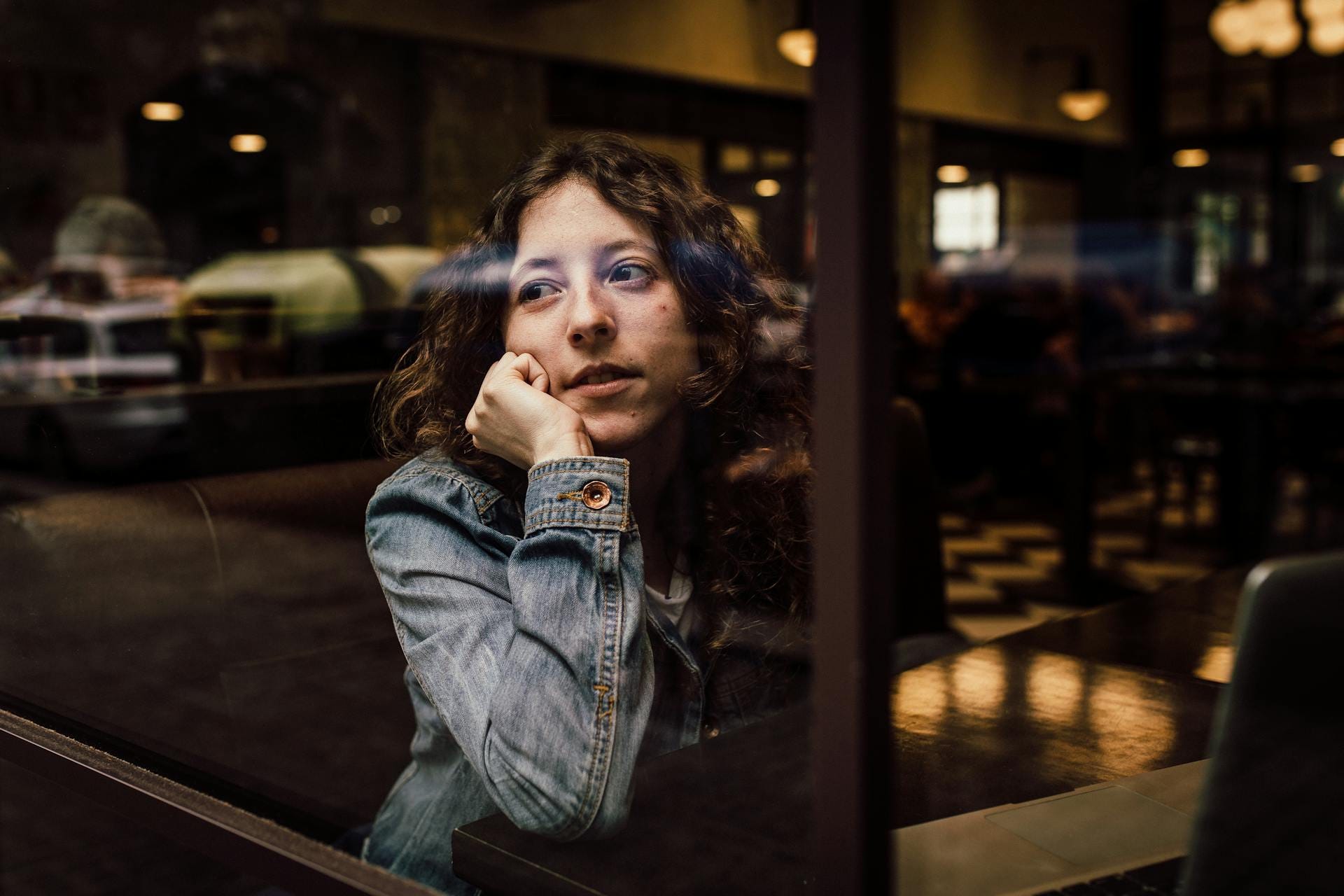
Start by noticing what's slightly wrong in your everyday environment. That coffee shop where the shadows stretch unnaturally long, or the subtle wrongness of your neighbor's smile that never reaches their eyes. The most terrifying horrors aren't witnessed. They're felt. Atmospheric dread doesn't announce itself with blood-curdling screams or grotesque displays. It seeps through the cracks of ordinary settings, transforming the familiar into something subtly wrong.
The transformation process requires three steps:
Observe with intention. Train yourself to notice environmental contradictions, such as a room that feels inexplicably cold despite summer heat or the peculiar silence of a normally busy street. Pair opposing sensory details: "The room was freezing despite the July heat wave" or "The air smelled of roses, but underneath lurked the unmistakable tang of copper."
Identify breaking points. Ask yourself: "What would break this character?" This question plunges you into the darkest recesses of your character's psyche, where actual development lurks in the shadows. Most writers focus on surface-level traits: occupations, age group, appearances, and quirky habits. But memorable characters are defined by their fault lines. Those psychological fissures that, when pressure is applied, create magnificent, terrible fractures.
Practice restraint in your descriptions. In my early stories, I meticulously described every tentacle, eye, and impossible angle of my cosmic entities. I wanted readers to "see" exactly what I imagined to feel the horror. My descriptions stretched for paragraphs, detailing chitinous appendages and non-Euclidean geometries until nothing remained mysterious. The results were stories that felt more like monster manuals than glimpses into the unfathomable.
The true power of atmospheric dread lies in restraint. When describing unsettling environments, follow this rule: describe just enough to activate the reader's imagination, then step back. Let their mind construct horrors far worse than anything you could explicitly describe.
Remember, cosmic horror thrives in the shadows of uncertainty. The truly terrifying exists in the space between what's described and imagined. Your daily observations are merely the beginning. The seeds from which unfathomable terror grows.
Did this make you want to read some Cosmic Horror Short Stories?
Visit my Gumroad store and pick up some short stories for free.
PS… If you enjoy my writing tip, would you take 6 seconds to share it with a friend?
It helps grow our community of horror writers. You earn phantom applause from beyond the veil whenever you share using the button below!
And finally, I’d love your input on making the newsletter even more helpful for you!
So, please leave a comment with the following:
Items you’d like me to cover in future editions
Your most significant takeaway from this post
I read & reply to every single one of them!